Toyota Dashboard Triangle Light: What Does It Mean?
Learn the meaning of the triangle light on your Toyota dashboard. Understand common causes and what to do when this warning light appears. Get the info you need!
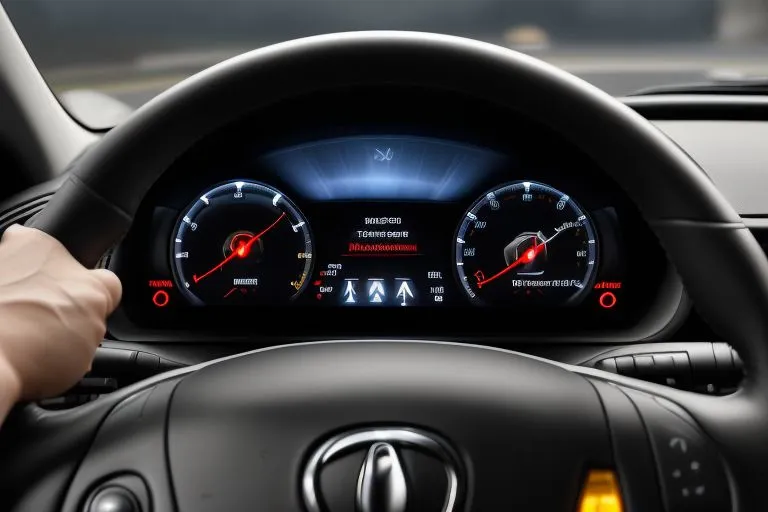
Decoding the Triangle Light on Your Toyota Dashboard
Seeing a triangle light on your Toyota dash? It's a heads-up. It means your car has a problem.
Don't panic. This guide helps you understand what the triangle light on your Toyota dash means. We'll explore common causes and solutions.
We'll help you understand this warning light.
The Meaning of the Triangle With Exclamation Point
The most common triangle light has an exclamation point inside. This is the main warning light.
It alerts you to something wrong. It's a general warning light.
The light can mean different things. Often, it signals a serious issue. Other warning lights may appear too.
What Causes the Triangle Light to Turn On?
Many issues can trigger the triangle warning light. Here are some common ones:
- Hybrid System Issues: Problems with the hybrid system can turn the light on. This includes the hybrid battery, inverter, and electric motors.
- Engine Problems: Issues like low oil pressure or overheating might trigger the light.
- Brake System Problems: The brake system may be failing. This could be a brake fluid leak.
- Transmission Problems: Problems with the transmission can also cause the light to appear.
- General Electrical Problems: Sometimes, the issue is a general electrical fault.
Specific Warning Lights That May Accompany the Triangle
Often, the triangle light appears with other lights. These give more clues. Here are a few examples:
- Check Engine Light: This is a common companion. It suggests engine problems.
- Brake System Warning Light: This points to issues with your brakes.
- TPMS (Tire Pressure Monitoring System) Light: If the tire pressure is low, this light may appear with the triangle.
- ABS Light: This means there is a problem with your anti-lock braking system.
What To Do When the Triangle Light Appears
Seeing the triangle warning light needs attention. Here's what you should do:
- Don't Ignore It: This isn't a light to dismiss. The issue could worsen.
- Check for Other Warning Lights: Note any other lights that come on. This helps with diagnosis.
- Consult Your Owner's Manual: The manual has specific info. It might give clues about the problem.
- Get a Professional Diagnosis: Take your car to a trusted mechanic or Toyota service center. They can pinpoint the exact problem.
Is It Safe To Drive With the Triangle Light On?
Driving with the triangle light on is risky. It depends on the problem.
Some issues might be okay for a short drive. But, serious problems could cause damage or accidents.
The best advice? Get it checked as soon as possible. Don't delay getting your car looked at. Ignoring the light could lead to bigger issues.
Understanding Other Toyota Dashboard Warning Lights
Your Toyota's dashboard has several lights. Each one provides a clue. Here's a quick rundown of other common lights:
- Check Engine Light: This light is like the triangle light's friend. It indicates a problem with the engine.
- Oil Pressure Warning Light: This light looks like an oil can. It shows low oil pressure.
- Brake System Warning Light: This warns of brake problems, like low brake fluid.
- TPMS Light: It looks like a horseshoe with an exclamation point. It alerts you to low tire pressure.
- ABS Light: This shows a problem with the anti-lock braking system.
- Battery Warning Light: It looks like a battery. It tells you the battery isn't charging.
Knowing these lights helps. You can understand what your car needs.
Decode Your Toyota VIN Free
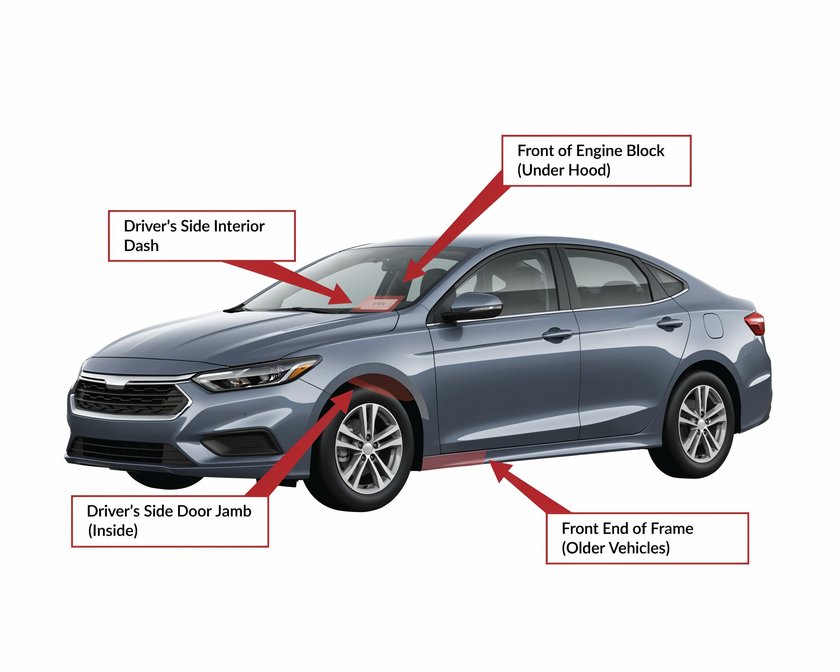
How to Find Your Toyota's VIN
Your Toyota's VIN (Vehicle Identification Number) is a key to its history. You need it for many services.
Here’s where to find your VIN:
- Driver's Side Dashboard: Look at the base of the windshield. You'll see the VIN there.
- Vehicle Registration: Your registration card has the VIN.
- Insurance Card: Your insurance card will have it, too.
- Vehicle Title: The title (pink slip) also displays the VIN.
- Engine Block: Sometimes, the VIN is stamped on the engine.
With your VIN, you can access useful information. Start by searching your vehicle history.
What Can You Do With Your Toyota's VIN?
Your Toyota's VIN opens many doors. You can use it to:
- Check Vehicle History: You can find past accidents. You can also learn about any recalls. Click here to Search Vehicle History by VIN.
- Get a Window Sticker: See what your car had when it was new. Generate Window Sticker.
- Find Build Sheet Information: This provides detailed information about your car's features. Click here to Get Build Sheet by VIN.
- See Options: Learn the optional features installed when the car was built. Options by VIN.
- View Specs: See all the detailed specifications of your vehicle. Click here to Specs by VIN.
- Check Paint Codes: Find your car's original paint color. Paint Code by VIN.
Your VIN gives you the power to know more about your Toyota. It provides useful information.
Table: Common Dashboard Warning Lights
Here's a table of some common Toyota dashboard lights. You'll see what they mean.
Triangle Light FAQs
Here are some frequently asked questions about the triangle warning light. Answers to help you:
More Toyota Resources
We have other useful tools for your Toyota. Check them out:
For a comprehensive report, run an unlimited VIN report. It's a great way to gather vehicle history information.
Get even more details. Decode your car's build sheet by VIN.
Table: Common Dashboard Warning Lights
| Warning Light | Meaning | Possible Action |
|---|---|---|
| Triangle with Exclamation Point | General warning. Often, it signals a problem with the hybrid system. | Get the car checked by a mechanic. |
| Check Engine Light | Engine problem detected. | Have the engine checked by a mechanic. |
| Oil Pressure Light | Low oil pressure. | Stop the car. Check oil levels. Call for help. |
| Brake System Light | Brake system issue. | Check brake fluid. Get the brakes checked. |
| TPMS Light | Low tire pressure. | Check and inflate tires. |
| ABS Light | ABS problem. | Get the ABS system checked. |
| Battery Light | Battery not charging. | Get the battery and charging system checked. |
- Decoding the Triangle Light on Your Toyota Dashboard
- The Meaning of the Triangle With Exclamation Point
- What Causes the Triangle Light to Turn On?
- What To Do When the Triangle Light Appears
- Is It Safe To Drive With the Triangle Light On?
- Understanding Other Toyota Dashboard Warning Lights
- How to Find Your Toyota's VIN
- What Can You Do With Your Toyota's VIN?
- Triangle Light FAQs
- More Toyota Resources
Pull the real history behind any car — recalls, title brands, odometer trail.
Frequently Asked Questions
A VIN, or Vehicle Identification Number, is a unique 17-digit code that acts as a serial number for every vehicle, allowing for its identification and tracking. It contains crucial information about the vehicle, including its manufacturer, model year, and specifications.
The VIN is essential for accurately identifying a vehicle, accessing its history, specifications, and recalls, and preventing fraud and theft. It serves as a universal identifier recognized by authorities, insurers, and consumers.
To decode a VIN, you can use a free VIN decoder tool available on our website. Simply input the VIN number, and the decoder will provide detailed information about the vehicle, including its make, model, engine type, and more.
Using a free VIN decoder, you can obtain information such as the vehicle's manufacturer, model year, specifications, accident history, maintenance records, and any outstanding recalls.
No! Our VIN decoder is completely free, allowing you to access vital vehicle information without any fees.
Our VIN decoder sources data from reliable databases to ensure the information is accurate and up-to-date, helping you make informed decisions about vehicle purchases.
Our VIN decoder primarily focuses on vehicles registered in the United States, but it may also provide information for some international vehicles, depending on the VIN structure.
If you notice discrepancies between the VIN information and the vehicle, it's advisable to consult a professional mechanic or contact the manufacturer to verify the vehicle's details.
When choosing a VIN decoder, look for reliability, comprehensiveness, user-friendly interfaces, and features such as access to vehicle history, maintenance records, and authenticity verification.
Yes, there are several popular VIN decoder tools available online, each offering unique features and functionalities. Some of these tools provide extensive databases and support for various vehicle types, from cars to motorcycles.
Related Guides

Where Are Toyota Tundras Made? Tundra Manufacturing Locations | Toyota Vin Decoder
Find out where Toyota Tundras are made. Learn about the Tundra's manufacturing plants, production history, and its American-made roots. Get your VIN report now!

What Does LE Stand For Toyota? Trim Level Guide & VIN Decoder
Uncover the meaning of Toyota LE trim levels. Discover features, compare trims, and decode your VIN. Learn about SE, XLE, and more. Get the details here!

Toyota Transmission Fluid Change: Timing, Cost & Instructions
Need to change your Toyota transmission fluid? Find out how often, what it costs, and how to do it. Get the best advice and keep your Toyota running smoothly.

Grinding Noise When Accelerating: Causes & Solutions | Toyota VIN Decoder
Experiencing a grinding noise when accelerating? This guide explains common causes like wheel bearings, brakes, and more. Get expert advice and solutions for your car.
Bank 1 Sensor 2 Upstream or Downstream? Location & Function
Demystifying Bank 1 Sensor 2. Is it upstream or downstream? Find out the exact location, what it does, and how to troubleshoot problems. Get insights and resources for your Toyota at ToyotaVinDecoder.com.

Modded Toyota Camry: Customization, Mods, and Styling Guide
Discover the best modded Toyota Camry ideas! Learn about performance upgrades, styling, and customization. Find inspiration for your own Camry mods.