Bank 1 Sensor 2: Upstream or Downstream? Explained
Confused about Bank 1 Sensor 2 location? Learn if it's upstream or downstream, its function, and how to diagnose issues. Get clear answers and useful tips for your Toyota at ToyotaVinDecoder.com!
Bank 1 Sensor 2: Upstream or Downstream? Your Guide
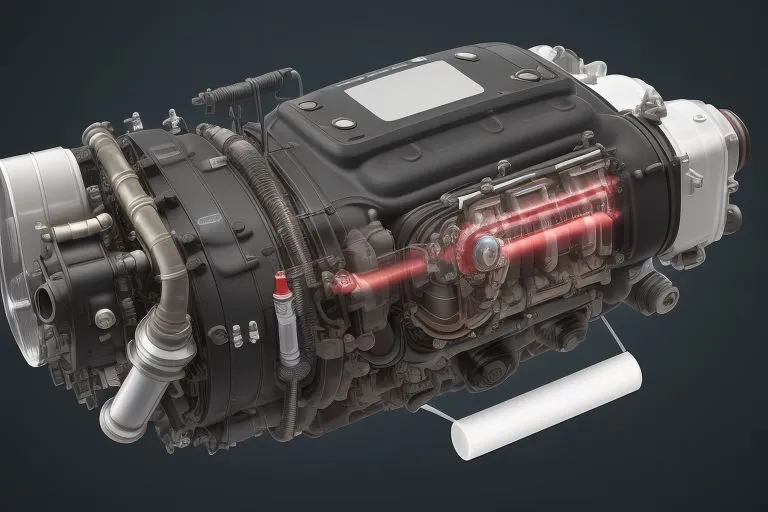
Are you puzzled about your car's oxygen sensors? Do you wonder about Bank 1 Sensor 2's location? This guide explains it all simply. We'll cover what these sensors do. We will also look at where they are. And also how to tell if there's a problem.
Understanding your car's systems can seem tricky. Especially when you face issues like sensor problems. We're here to help. Let's make it easy to grasp. We'll break down the terms. Then we'll explain how they affect your Toyota.
Want to know more about your car's history? Use our unlimited VIN reports. Get the full picture of your vehicle.
What is Bank 1 Sensor 2?
First, let's define Bank 1 Sensor 2. It's a key part of your car's emissions system. Oxygen sensors monitor the exhaust gases. They tell the engine how much oxygen is in the exhaust.
The 'bank' refers to the engine's cylinder heads. Engines with two cylinder heads have Bank 1 and Bank 2. A 'sensor' is the device measuring oxygen. 'Sensor 2' is usually downstream. This is after the catalytic converter. It measures the converter's performance.
Not sure what your car has? You can always check your car's specifications. You can find them at our specs-by-vin tool.
Upstream vs. Downstream: Oxygen Sensor Locations
Oxygen sensors come in two main types. These are upstream and downstream sensors. Upstream sensors are before the catalytic converter. They help control the air-fuel mixture. Downstream sensors are after the converter. They monitor the converter's work.
Bank 1 Sensor 2 is almost always a downstream sensor. It sits after the catalytic converter. It checks the converter's efficiency. It makes sure it's cleaning the exhaust properly.
Wondering about your car's build? Check out our build sheet by VIN. Learn all about your car's parts.
The Role of Oxygen Sensors
Oxygen sensors play a crucial role in your car's performance. They help keep your engine running smoothly. They ensure your car meets emissions standards. They also improve fuel efficiency.
The upstream sensor provides data. This data tells the engine how much fuel to use. The downstream sensor checks the catalytic converter's efficiency. It ensures the converter is doing its job.
Facing engine troubles? You might want to run a diagnostic report. Find out with our options by VIN tool. Find out the vehicle options.
Why Are There Multiple Oxygen Sensors?
Modern cars have multiple oxygen sensors for several reasons. The main reason is to meet strict emissions standards. Another reason is to improve engine performance and fuel economy.
Upstream sensors give real-time data to the engine. This data is about the air-fuel mixture. Downstream sensors monitor the catalytic converter. They ensure it's working correctly. Having multiple sensors helps the car run efficiently.
Want a quick snapshot of your vehicle? Get a window sticker. See your car's key features.
Where is Bank 1 Sensor 2 Located?
Finding Bank 1 Sensor 2 can be tricky. In most cars, it's after the catalytic converter. It's usually found in the exhaust system's downstream section.
To locate it, you might need to get under the car. Or you might need to use a jack. Always be safe when working under a car. Make sure it's secure. You might need to consult your car's repair manual.
Need to check the paint code? Use our paint code by VIN tool. Find your car's colors.
Is Bank 1 Sensor 2 Upstream or Downstream? The Answer
Bank 1 Sensor 2 is typically a downstream sensor. It's positioned after the catalytic converter. This is the standard setup for most vehicles. This is the way it monitors the converter's function.
The sensor's job is to check exhaust emissions. It also ensures the catalytic converter is working correctly. This helps keep your car running smoothly.
Decode Your Toyota VIN Free
Common Problems with Bank 1 Sensor 2
Bank 1 Sensor 2 can face problems over time. These issues often trigger the check engine light. Problems include sensor failure and incorrect readings. Other problems can be related to the wiring.
Common symptoms include a lit check engine light. You might also see decreased fuel efficiency. You might also have engine performance issues. Addressing these issues promptly is important.
Want to learn more about your car's features? Use our VIN decoder. Get detailed information and specifications.
Diagnosing Sensor Issues
If you suspect a problem with Bank 1 Sensor 2, start with a code reader. This will show you any stored diagnostic trouble codes (DTCs). Look for codes like P0420. These codes relate to catalytic converter efficiency.
Inspect the sensor itself. Look for damage or contamination. Check the wiring and connections. Use a multimeter. This will help you measure the sensor's performance.
Replacing Bank 1 Sensor 2
Replacing a faulty oxygen sensor requires some steps. First, disconnect the negative battery cable. Then, locate the sensor. It is typically in the exhaust system after the catalytic converter.
Use a special oxygen sensor socket to remove the old sensor. Install the new sensor. Tighten it to the manufacturer's specs. Reconnect the wiring. Then, reconnect the battery. Finally, clear the codes.
Bank 1 vs. Bank 2: What's the Difference?
Engines with more than four cylinders have multiple banks. Bank 1 is the side of the engine with cylinder number one. Bank 2 is the other side. This only applies to engines with two cylinder heads. This also applies when the engine has an odd number of cylinders.
Each bank will have its own set of sensors. These sensors help monitor the exhaust. They also help control the engine's performance. Understanding the banks can help you diagnose problems.
Tools and Parts You May Need
To replace Bank 1 Sensor 2, gather the right tools. You'll need an oxygen sensor socket. You'll also need a ratchet. Also have gloves. Also, get a new sensor that fits your car. You will also need a code reader.
Also, have safety glasses. A good repair manual is important too. These tools will help you do the job safely. They will also help you do the job correctly.
Understanding Common Diagnostic Codes
When diagnosing oxygen sensor problems, you will encounter codes. P0420 is a common code. It indicates that the catalytic converter isn't working correctly. Other codes can signal sensor failure.
Use your code reader to find the specific code. Then look up what it means. This will help you find the problem. It will also help you fix the issue.
Tips for Maintenance
Regular maintenance can prevent oxygen sensor problems. Check your car's exhaust system. Inspect for leaks or damage. Replace the sensor if it is faulty.
Use the right fuel. Avoid using additives that can damage the sensor. Following these tips will keep your car running well. They will also keep your emissions in check.
Bank 1 Sensor 2: Troubleshooting Guide
If your check engine light is on, troubleshoot the oxygen sensors. Use a code reader to check for error codes. These codes help pinpoint the problem. Check the sensor's wiring.
Inspect the sensor itself for damage. Measure the sensor's output with a multimeter. Replace the sensor. If the tests fail, your catalytic converter may be the problem.
Table: Upstream vs. Downstream Sensors
Here's a simple table to clarify the differences.
Table: Common Diagnostic Codes Related to Oxygen Sensors
Here are some common codes you may find.
Table: Upstream vs. Downstream Sensors
| Feature | Upstream Sensor | Downstream Sensor |
|---|---|---|
| Location | Before catalytic converter | After catalytic converter |
| Function | Controls air-fuel mixture | Monitors catalytic converter efficiency |
| Purpose | Optimize engine performance | Ensure emissions compliance |
Table: Common Diagnostic Codes Related to Oxygen Sensors
| Code | Description |
|---|---|
| P0130 | O2 Sensor Circuit Malfunction (Bank 1 Sensor 1) |
| P0133 | O2 Sensor Circuit Slow Response (Bank 1 Sensor 1) |
| P0420 | Catalytic Converter Efficiency Below Threshold (Bank 1) |
| P0136 | O2 Sensor Circuit Malfunction (Bank 1 Sensor 2) |
- Bank 1 Sensor 2: Upstream or Downstream? Your Guide
- What is Bank 1 Sensor 2?
- Upstream vs. Downstream: Oxygen Sensor Locations
- The Role of Oxygen Sensors
- Why Are There Multiple Oxygen Sensors?
- Where is Bank 1 Sensor 2 Located?
- Is Bank 1 Sensor 2 Upstream or Downstream? The Answer
- Common Problems with Bank 1 Sensor 2
- Diagnosing Sensor Issues
- Replacing Bank 1 Sensor 2
- Bank 1 vs. Bank 2: What's the Difference?
- Tools and Parts You May Need
- Understanding Common Diagnostic Codes
- Tips for Maintenance
- Bank 1 Sensor 2: Troubleshooting Guide
Pull the real history behind any car — recalls, title brands, odometer trail.
Frequently Asked Questions
A VIN, or Vehicle Identification Number, is a unique 17-digit code that acts as a serial number for every vehicle, allowing for its identification and tracking. It contains crucial information about the vehicle, including its manufacturer, model year, and specifications.
The VIN is essential for accurately identifying a vehicle, accessing its history, specifications, and recalls, and preventing fraud and theft. It serves as a universal identifier recognized by authorities, insurers, and consumers.
To decode a VIN, you can use a free VIN decoder tool available on our website. Simply input the VIN number, and the decoder will provide detailed information about the vehicle, including its make, model, engine type, and more.
Using a free VIN decoder, you can obtain information such as the vehicle's manufacturer, model year, specifications, accident history, maintenance records, and any outstanding recalls.
No! Our VIN decoder is completely free, allowing you to access vital vehicle information without any fees.
Our VIN decoder sources data from reliable databases to ensure the information is accurate and up-to-date, helping you make informed decisions about vehicle purchases.
Our VIN decoder primarily focuses on vehicles registered in the United States, but it may also provide information for some international vehicles, depending on the VIN structure.
If you notice discrepancies between the VIN information and the vehicle, it's advisable to consult a professional mechanic or contact the manufacturer to verify the vehicle's details.
When choosing a VIN decoder, look for reliability, comprehensiveness, user-friendly interfaces, and features such as access to vehicle history, maintenance records, and authenticity verification.
Yes, there are several popular VIN decoder tools available online, each offering unique features and functionalities. Some of these tools provide extensive databases and support for various vehicle types, from cars to motorcycles.
Related Guides

Where Are Toyota Tundras Made? Tundra Manufacturing Locations | Toyota Vin Decoder
Find out where Toyota Tundras are made. Learn about the Tundra's manufacturing plants, production history, and its American-made roots. Get your VIN report now!

What Does LE Stand For Toyota? Trim Level Guide & VIN Decoder
Uncover the meaning of Toyota LE trim levels. Discover features, compare trims, and decode your VIN. Learn about SE, XLE, and more. Get the details here!
Toyota Transmission Fluid Change: Timing, Cost & Instructions
Need to change your Toyota transmission fluid? Find out how often, what it costs, and how to do it. Get the best advice and keep your Toyota running smoothly.
Grinding Noise When Accelerating: Causes & Solutions | Toyota VIN Decoder
Experiencing a grinding noise when accelerating? This guide explains common causes like wheel bearings, brakes, and more. Get expert advice and solutions for your car.
Bank 1 Sensor 2 Upstream or Downstream? Location & Function
Demystifying Bank 1 Sensor 2. Is it upstream or downstream? Find out the exact location, what it does, and how to troubleshoot problems. Get insights and resources for your Toyota at ToyotaVinDecoder.com.

Modded Toyota Camry: Customization, Mods, and Styling Guide
Discover the best modded Toyota Camry ideas! Learn about performance upgrades, styling, and customization. Find inspiration for your own Camry mods.