Grinding Noise When Accelerating: Causes, Diagnosis, and Solutions
Is your car making a grinding noise when accelerating? Learn about the common causes, from wheel bearings to transmission issues, and find solutions.
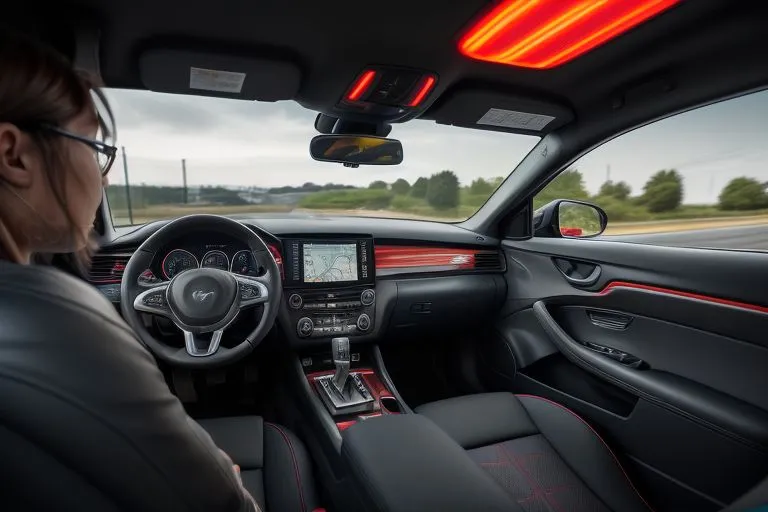
Understanding Grinding Noise When Accelerating
Hearing a grinding noise when accelerating can be worrying.
This noise is often a sign of trouble.
It could mean a simple fix or a bigger issue.
This guide helps you understand the problem.
We'll explore causes and what to do.
What Causes Grinding Noises During Acceleration?
Many things can cause a grinding sound.
Some are easy to fix, others need pro help.
Here are the usual suspects.
Worn Wheel Bearings: A Common Culprit
Wheel bearings let your wheels spin.
They connect the wheel to the axle.
Over time, they can wear out.
A grinding noise when accelerating is a key sign.
You might also hear it when turning.
Other signs include squealing sounds.
It’s smart to have a mechanic check them.
A failing wheel bearing could cause wheel or steering issues.
You can get a Build Sheet by VIN to see factory specs.
Brake Problems and Grinding Sounds
Your brakes can also make grinding sounds.
Worn brake pads are a common reason.
They rub against the rotors.
This creates a harsh grinding noise.
You might hear it when braking or accelerating.
Check your brake pads for wear.
Replace them if they’re thin.
If you hear grinding during acceleration and braking, you must address it.
A grinding brake could lead to a failure, so seek help immediately.
Transmission Issues and Grinding Noise
Grinding noises can also come from your transmission.
Especially in an automatic car.
Worn gears or low fluid can be the cause.
The sound might be worse when shifting.
Have a mechanic inspect your transmission.
It may need repair or replacement.
This can get worse fast, so don't wait.
You can also check your vehicle’s build with a Options by VIN search.
CV Joint Problems and Grinding Sounds
CV joints connect the transmission to the wheels.
They allow the wheels to turn.
A damaged CV joint can cause grinding.
You might also hear clicking sounds.
These sounds are usually worse when turning.
Have a mechanic check the CV joints.
Other Potential Causes of Grinding
Sometimes, the issue isn't so obvious.
Here are some other things to check.
Exhaust System Issues
A loose or damaged exhaust system can grind.
It might be rubbing against other parts.
Check for any damaged exhaust components.
Debris and Loose Parts
Sometimes, it's something simple.
Debris stuck in the tire can grind.
Loose parts in the suspension can also cause noise.
Carefully inspect for these issues.
The Importance of Quick Action
A grinding noise is never a good sign.
Ignoring it can lead to more problems.
Driving with a grinding noise is unsafe.
It can cause accidents and more costly repairs.
Get it checked by a mechanic soon.
Don't delay when you hear this noise.
Decode Your Toyota VIN Free
Diagnosing the Grinding Noise
Finding the source of the noise is key.
Here are some steps to help.
Listen Carefully and Note When It Happens
Pay close attention to the noise.
When does it happen?
Only when accelerating?
When turning or braking?
Note the speed and road conditions.
This helps pinpoint the issue.
You can find specs by VIN for your vehicle.
Check for Other Symptoms
Other symptoms can give clues.
Does the car shake or pull?
Are there any warning lights on?
Note any changes in performance.
Visual Inspection
Look under your car for issues.
Check the brakes and wheels.
Look for damage or wear.
Check for any loose parts.
Professional Inspection
If you can't find the issue, see a pro.
A mechanic can diagnose the problem.
They have the tools and expertise needed.
They'll tell you what needs to be fixed.
Your car's window sticker can help with parts information.
How to Prevent Grinding Noises
Preventing grinding sounds saves money.
Here's how to keep your car healthy.
Regular Maintenance is Key
Follow your car's maintenance schedule.
This includes oil changes and tune-ups.
Get regular inspections of your vehicle.
Check Your Brakes
Get your brakes checked often.
Have your pads and rotors inspected.
Replace worn parts promptly.
Listen To Your Car
Pay attention to unusual noises.
Don't ignore any strange sounds.
Address issues as soon as possible.
A detailed report is possible with Unlimited VIN Reports.
DIY or Pro? Making the Right Choice
Deciding whether to fix it yourself or not.
Simple fixes might be easy at home.
Complex repairs need a pro.
DIY Tasks
You might be able to fix some things.
Check your brake pads or tires.
Make sure you have the right tools.
Follow safety precautions always.
When to Call a Mechanic
If you are unsure, get help from a mechanic.
Suspension, transmission, and engine repairs are best left to a professional.
Safety first when working on cars.
Cost of Repairs
Repair costs vary widely.
Simple fixes are cheaper.
Transmission work can be very expensive.
Get a quote before starting any work.
Typical Repair Costs
Brake pad replacement is usually not expensive.
Wheel bearings are a little more costly.
Transmission repairs are the priciest.
Costs depend on your car and location.
The Value of a VIN Decoder
A VIN decoder can help.
It can give you important info.
This includes specs and options.
It can make repairs easier.
A paint code by VIN can also be helpful.
VIN Decoder Benefits
Get accurate vehicle data.
Order the right parts.
Learn your car's history.
Make informed repair decisions.
Save time and money.
Conclusion: Addressing Grinding Noises
A grinding noise when accelerating needs your attention.
Find the cause and fix it fast.
Regular maintenance keeps your car safe.
Use a VIN decoder to get info.
Drive safely and take care of your car.
- Understanding Grinding Noise When Accelerating
- What Causes Grinding Noises During Acceleration?
- Other Potential Causes of Grinding
- The Importance of Quick Action
- Diagnosing the Grinding Noise
- How to Prevent Grinding Noises
- DIY or Pro? Making the Right Choice
- Cost of Repairs
- The Value of a VIN Decoder
- Conclusion: Addressing Grinding Noises
Pull the real history behind any car — recalls, title brands, odometer trail.
Frequently Asked Questions
A VIN, or Vehicle Identification Number, is a unique 17-digit code that acts as a serial number for every vehicle, allowing for its identification and tracking. It contains crucial information about the vehicle, including its manufacturer, model year, and specifications.
The VIN is essential for accurately identifying a vehicle, accessing its history, specifications, and recalls, and preventing fraud and theft. It serves as a universal identifier recognized by authorities, insurers, and consumers.
To decode a VIN, you can use a free VIN decoder tool available on our website. Simply input the VIN number, and the decoder will provide detailed information about the vehicle, including its make, model, engine type, and more.
Using a free VIN decoder, you can obtain information such as the vehicle's manufacturer, model year, specifications, accident history, maintenance records, and any outstanding recalls.
No! Our VIN decoder is completely free, allowing you to access vital vehicle information without any fees.
Our VIN decoder sources data from reliable databases to ensure the information is accurate and up-to-date, helping you make informed decisions about vehicle purchases.
Our VIN decoder primarily focuses on vehicles registered in the United States, but it may also provide information for some international vehicles, depending on the VIN structure.
If you notice discrepancies between the VIN information and the vehicle, it's advisable to consult a professional mechanic or contact the manufacturer to verify the vehicle's details.
When choosing a VIN decoder, look for reliability, comprehensiveness, user-friendly interfaces, and features such as access to vehicle history, maintenance records, and authenticity verification.
Yes, there are several popular VIN decoder tools available online, each offering unique features and functionalities. Some of these tools provide extensive databases and support for various vehicle types, from cars to motorcycles.
Related Guides
Where Are Toyota Tundras Made? Tundra Manufacturing Locations | Toyota Vin Decoder
Find out where Toyota Tundras are made. Learn about the Tundra's manufacturing plants, production history, and its American-made roots. Get your VIN report now!
What Does LE Stand For Toyota? Trim Level Guide & VIN Decoder
Uncover the meaning of Toyota LE trim levels. Discover features, compare trims, and decode your VIN. Learn about SE, XLE, and more. Get the details here!
Toyota Transmission Fluid Change: Timing, Cost & Instructions
Need to change your Toyota transmission fluid? Find out how often, what it costs, and how to do it. Get the best advice and keep your Toyota running smoothly.
Grinding Noise When Accelerating: Causes & Solutions | Toyota VIN Decoder
Experiencing a grinding noise when accelerating? This guide explains common causes like wheel bearings, brakes, and more. Get expert advice and solutions for your car.
Bank 1 Sensor 2 Upstream or Downstream? Location & Function
Demystifying Bank 1 Sensor 2. Is it upstream or downstream? Find out the exact location, what it does, and how to troubleshoot problems. Get insights and resources for your Toyota at ToyotaVinDecoder.com.

Modded Toyota Camry: Customization, Mods, and Styling Guide
Discover the best modded Toyota Camry ideas! Learn about performance upgrades, styling, and customization. Find inspiration for your own Camry mods.