Toyota Highlander Best Years: Reliability and Buying Guide
Discover the Toyota Highlander best years for reliability. Find out which model years offer the best value and features. Get expert insights and avoid potential issues.
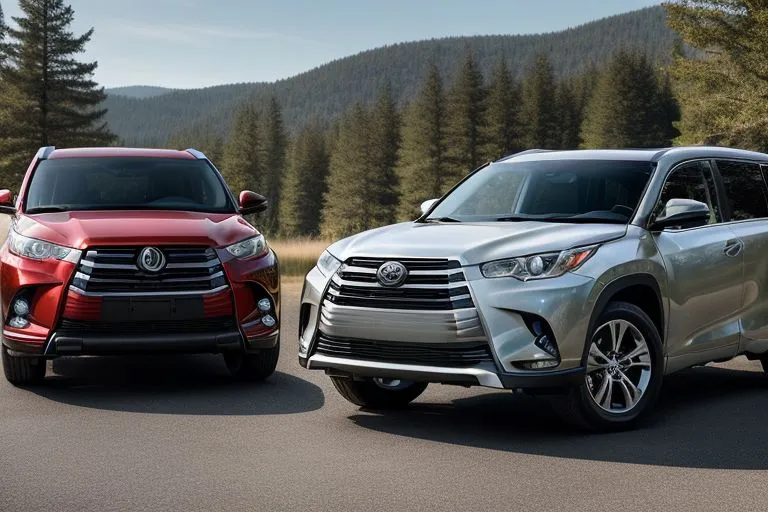
Toyota Highlander Best Years: A Buyer's Guide
The Toyota Highlander is a top SUV choice. It's known for its reliability. But, some years are better than others. This guide helps you find the Toyota Highlander best years. We'll cover what to look for when buying.
Understanding the Toyota Highlander Generations
The Highlander has been around since 2001. Knowing its generations helps you pick the right one. Each generation brings new features and changes. This knowledge helps you with Toyota Highlander best years.
- 1st Generation (2001-2007): Introduced the Highlander. It set the stage for the SUV.
- 2nd Generation (2008-2013): Grew in size. Improved performance.
- 3rd Generation (2014-2019): Sleeker design. More tech features.
- 4th Generation (2020-Present): Modern look. New engine options.
Toyota Highlander Reliability: What to Expect
Toyota is known for building reliable cars. The Highlander is no different. It generally scores well in reliability. However, issues can arise depending on the year. Check the history before you buy. You can use our tool to Search Vehicle History by VIN for a detailed report.
Toyota Highlander Best Years: Our Recommendations
Here are some of the Toyota Highlander best years. They are known for good reliability. They also have fewer problems.
- 2016: This year often gets high praise. Owners report few issues.
- 2021-2023: These models are generally seen as dependable. The 2021 Highlander Hybrid Platinum is also well-regarded.
Toyota Highlander Years to Potentially Avoid
Some Highlander years had more issues. These may require more repairs. It’s good to know about these years. This helps you make a better choice.
- 2008: Some owners faced engine and transmission problems.
- 2010: Owners reported issues with the engine.
- 2017: Transmission issues were common.
- 2020: Some owners reported slow acceleration.
Key Factors to Consider When Buying a Used Highlander
Buying used requires careful thought. Here are some things to consider. These tips ensure you get a good deal. They also help you pick a reliable car.
- Maintenance Records: Ask for service records. They show how well the car was cared for.
- Vehicle History Report: Get a report. This shows accident and title history. It's important to know the car's past. Build Sheet by VIN can show you the options and features of the car.
- Pre-Purchase Inspection: Have a mechanic check the car. This can spot any hidden problems.
- Test Drive: Always test drive the car. Pay attention to how it handles and feels.
- Price Comparison: Compare prices. Look at similar models in your area. Make sure the price is fair.
Common Toyota Highlander Problems to Watch For
Knowing common problems helps. You can look out for them. This info helps you make a smart choice. It also helps you save money.
- Engine Issues: Some models had oil leaks. Others had problems with the engine.
- Transmission Problems: Transmission issues can be costly. They can affect older models.
- Electrical Issues: Electrical problems can cause headaches. They can range from minor to serious.
- Air Conditioning: AC problems can be annoying. Watch for weak cooling.
Decode Your Toyota VIN Free
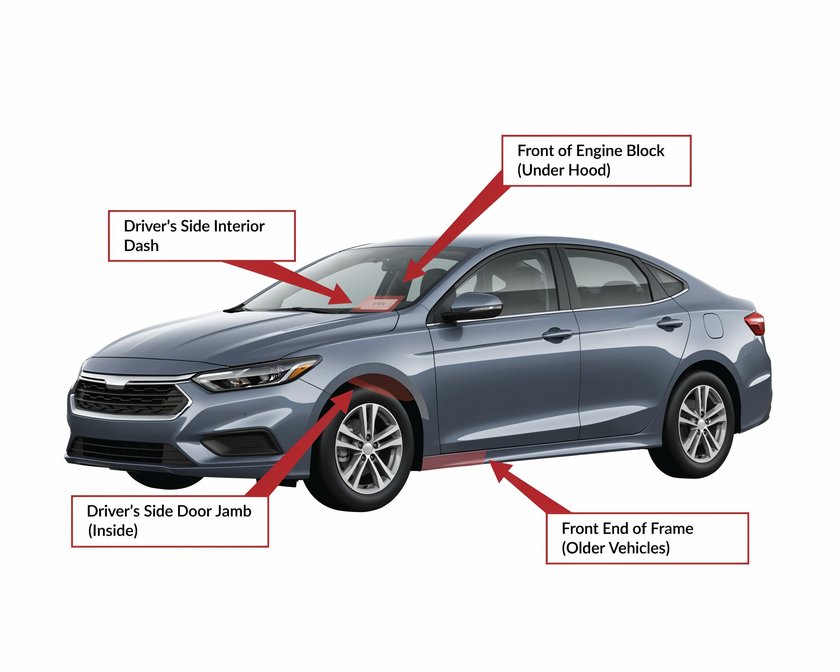
Toyota Highlander Model Year Breakdown
Let’s break down specific model years. This will help you with your decision. It will give you the information to make a smart choice. Here’s a look at different years and generations.
1st Generation (2001-2007)
The first generation established the Highlander. It offered a good blend of space and reliability. Some years are better than others.
- Best Years: 2003, 2004, 2005, 2006. These years had fewer problems.
- Neutral Year: 2002. It was a decent year but not the best.
- Worst Years: 2001 and 2007. These years had more reported issues.
2nd Generation (2008-2013)
This generation was larger and more powerful. It offered more features. You can find a good used one, but check carefully.
- Best Years: 2009, 2011, 2012. These years were generally reliable.
- Neutral Year: 2013. It was a decent year.
- Worst Years: 2008 and 2010. These years had more complaints.
3rd Generation (2014-2019)
The 3rd generation got a new design. It added more tech. It also improved safety features. Consider these points.
- Best Years: 2014, 2016, 2017, 2018. These years are good choices.
- Neutral Year: 2015. A decent option.
- Worst Year: 2019. Some issues were reported.
4th Generation (2020-Present)
The current generation has a modern look. It also has new features. You can get a reliable model. Be sure to do your research.
- Best Year: 2020. A good choice.
- Neutral Year: 2021. A decent option.
- Worst Years: 2022 and 2023. Some owners had issues.
Toyota Highlander Resale Value
The Highlander holds its value well. This is a big plus for buyers. Resale value depends on many factors. Consider the condition and mileage.
Here's a table to understand the average resale values. Note that values can vary. They depend on the car's condition and location.
Where to Find Toyota Highlander Information
You can find lots of info online. There are great resources to help. These sources give you detailed information.
- Toyota Owners Website: Great for manuals and service history.
- Online Forums: Owners share experiences.
- Vehicle History Reports: Get a full report. Check for accidents or issues.
Also, our tools can help you find all the information you need about your car. With the help of Unlimited VIN Reports you can get all the details you need.
Toyota Highlander Hybrid Models: A Closer Look
The Highlander Hybrid offers fuel efficiency. It's a good choice for eco-conscious buyers. Hybrid models share many of the same strengths. They also come with extra benefits.
Here are some points to consider about the Hybrid models. You should also check the model specifics when purchasing a used one.
- Fuel Efficiency: Hybrids have better fuel economy.
- Reliability: Hybrids are generally reliable.
- Cost: Hybrids can be more expensive.
- Battery Life: Batteries have a limited lifespan.
The Verdict: Finding Your Best Toyota Highlander Year
The Toyota Highlander best years offer great value. Consider the model year. Also, think about your needs. Do your research. You’ll find a great SUV. Options by VIN will help you identify the different features that are on your car.
| Model Year | Average Resale Value (Approximate) |
|---|---|
| 2016 | $20,000 - $25,000 |
| 2019 | $26,000 - $32,000 |
| 2021 | $33,000 - $38,000 |
- Toyota Highlander Best Years: A Buyer's Guide
- Understanding the Toyota Highlander Generations
- Toyota Highlander Reliability: What to Expect
- Toyota Highlander Best Years: Our Recommendations
- Toyota Highlander Years to Potentially Avoid
- Key Factors to Consider When Buying a Used Highlander
- Common Toyota Highlander Problems to Watch For
- Toyota Highlander Model Year Breakdown
- Toyota Highlander Resale Value
- Where to Find Toyota Highlander Information
- Toyota Highlander Hybrid Models: A Closer Look
- The Verdict: Finding Your Best Toyota Highlander Year
Pull the real history behind any car — recalls, title brands, odometer trail.
Frequently Asked Questions
A VIN, or Vehicle Identification Number, is a unique 17-digit code that acts as a serial number for every vehicle, allowing for its identification and tracking. It contains crucial information about the vehicle, including its manufacturer, model year, and specifications.
The VIN is essential for accurately identifying a vehicle, accessing its history, specifications, and recalls, and preventing fraud and theft. It serves as a universal identifier recognized by authorities, insurers, and consumers.
To decode a VIN, you can use a free VIN decoder tool available on our website. Simply input the VIN number, and the decoder will provide detailed information about the vehicle, including its make, model, engine type, and more.
Using a free VIN decoder, you can obtain information such as the vehicle's manufacturer, model year, specifications, accident history, maintenance records, and any outstanding recalls.
No! Our VIN decoder is completely free, allowing you to access vital vehicle information without any fees.
Our VIN decoder sources data from reliable databases to ensure the information is accurate and up-to-date, helping you make informed decisions about vehicle purchases.
Our VIN decoder primarily focuses on vehicles registered in the United States, but it may also provide information for some international vehicles, depending on the VIN structure.
If you notice discrepancies between the VIN information and the vehicle, it's advisable to consult a professional mechanic or contact the manufacturer to verify the vehicle's details.
When choosing a VIN decoder, look for reliability, comprehensiveness, user-friendly interfaces, and features such as access to vehicle history, maintenance records, and authenticity verification.
Yes, there are several popular VIN decoder tools available online, each offering unique features and functionalities. Some of these tools provide extensive databases and support for various vehicle types, from cars to motorcycles.
Related Guides
Where Are Toyota Tundras Made? Tundra Manufacturing Locations | Toyota Vin Decoder
Find out where Toyota Tundras are made. Learn about the Tundra's manufacturing plants, production history, and its American-made roots. Get your VIN report now!
What Does LE Stand For Toyota? Trim Level Guide & VIN Decoder
Uncover the meaning of Toyota LE trim levels. Discover features, compare trims, and decode your VIN. Learn about SE, XLE, and more. Get the details here!
Toyota Transmission Fluid Change: Timing, Cost & Instructions
Need to change your Toyota transmission fluid? Find out how often, what it costs, and how to do it. Get the best advice and keep your Toyota running smoothly.
Grinding Noise When Accelerating: Causes & Solutions | Toyota VIN Decoder
Experiencing a grinding noise when accelerating? This guide explains common causes like wheel bearings, brakes, and more. Get expert advice and solutions for your car.
Bank 1 Sensor 2 Upstream or Downstream? Location & Function
Demystifying Bank 1 Sensor 2. Is it upstream or downstream? Find out the exact location, what it does, and how to troubleshoot problems. Get insights and resources for your Toyota at ToyotaVinDecoder.com.

Modded Toyota Camry: Customization, Mods, and Styling Guide
Discover the best modded Toyota Camry ideas! Learn about performance upgrades, styling, and customization. Find inspiration for your own Camry mods.