Toyota Avalon Years to Avoid: A Guide to Smart Buying
Thinking of buying a Toyota Avalon? Learn which years to avoid. This guide helps you find a reliable used Avalon and avoid potential problems.

Toyota Avalon Years to Avoid: Making a Smart Choice
The Toyota Avalon is known for comfort and reliability. But, some years have issues. This guide helps you choose wisely.
We'll look at the Toyota Avalon years to avoid. You’ll learn about common problems. You’ll also find out which years are best.
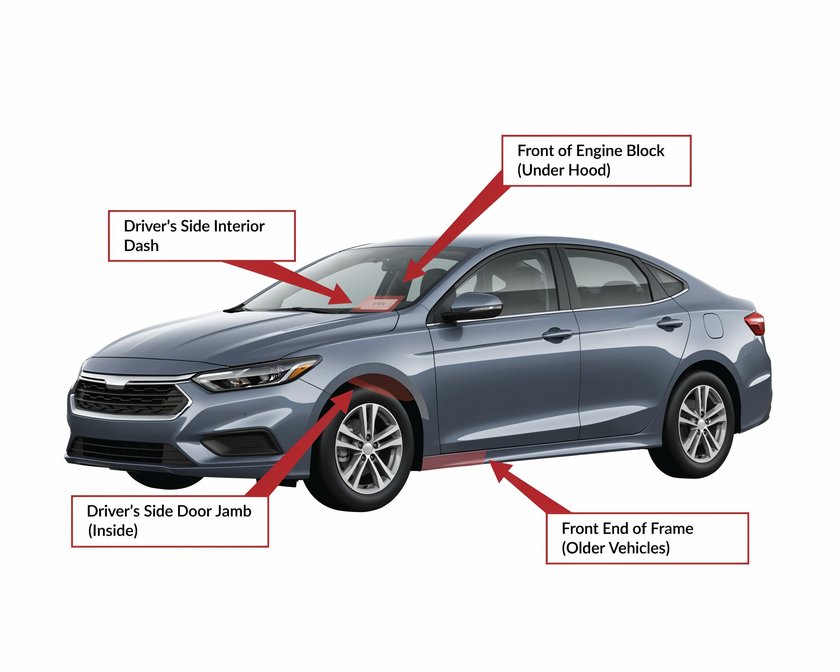
Before you buy, check the car's history. Use a VIN decoder to get details. Get a build sheet to see the original specs.
Understanding the Toyota Avalon
The Avalon is a full-size sedan. Toyota made it for comfort. It offers a smooth ride. It's also known for its spacious interior.
The Avalon has five generations. They span from 1994 to 2022. Each generation brought changes. Some changes improved reliability.
Toyota Avalon Generations: Quick Overview
Let's quickly look at the different Avalon generations.
- 1st Generation (1994-1999): Solid foundation, generally reliable.
- 2nd Generation (2000-2004): Improvements in design and features.
- 3rd Generation (2005-2012): Significant changes, some years to watch out for.
- 4th Generation (2013-2018): Modern features and refreshed design.
- 5th Generation (2019-2022): Current generation with updated technology.
Toyota Avalon Years to Avoid: The Problem Years
Some Avalon years have more problems than others. These years often have higher repair costs. They may also have more frequent issues.
Here are some Toyota Avalon years to think twice about:
2005-2008 Toyota Avalon: A Troubled Era
The 2005-2008 models are often flagged. These years had issues with engines. Oil leaks were also common.
Many owners reported problems. These issues could lead to expensive repairs. Consider this when buying used.
Want more details? Check the specs for a specific year. See what features were included.
2013 and 2014 Toyota Avalon: Watch Out for Issues
The 2013 and 2014 Avalons also have concerns. Some owners reported problems. These problems could be costly to fix.
The 2014 model had recalls. These recalls might cause inconvenience. Always check for open recalls.
Before you buy, get a VIN report. It can reveal any past issues or recalls.
Common Toyota Avalon Problems
Certain issues keep popping up. Knowing these helps you avoid problems. Look out for the following when buying a used Avalon.
Engine Troubles and Oil Leaks
Engine problems are a big concern. Many owners report issues. Oil leaks can also occur.
Engine problems can be costly. Always check for oil leaks. Ask about the engine's service history.
Transmission Issues
Some Avalons have had transmission issues. This can lead to expensive repairs. Check for smooth shifting.
Listen for unusual noises. Also, make sure the transmission shifts correctly. A pre-purchase inspection is a good idea.
Electrical System Problems
Electrical problems can be frustrating. They can also be expensive to fix. Check all electrical systems.
Test the lights, radio, and other features. Also, get a VIN report to see the options. This will help you discover possible electrical problems.
Decode Your Toyota VIN Free
What Toyota Avalon Years Are Reliable?
Not all Avalon years are bad. Some are known for their reliability. These years are often better choices.
Best Toyota Avalon Years: The Good Choices
The 2015-2018 and 2020-2022 models are good options. They generally have fewer problems. They are known for strong performance.
These years have good reliability ratings. They also have updated features. They offer a more modern experience.
Pre-Purchase Inspection: A Must-Do
Always get a pre-purchase inspection. This helps you find hidden problems. It can save you money in the long run.
A mechanic can check the car. They will look for any potential issues. This is important for all used cars.
Need a window sticker? Get a window sticker to learn more about the vehicle.
Toyota Avalon Resale Value
The Avalon holds its value well. But, some years are worth more. The year and condition affect resale.
Reliable years often have better resale values. Avoid the problem years. This helps with resale value.
Toyota Avalon Compared: Is It Right for You?
The Avalon is a good choice for many. It’s comfortable and spacious. It also has a reputation for reliability.
But, consider your needs. Think about what you value in a car. Is it fuel efficiency? Is it technology?
Compare it to other cars. Check out the competition. This ensures you make the best choice.
Making the Right Decision
Choosing a used Avalon can be tricky. Do your homework. Know which years to avoid.
A pre-purchase inspection is vital. Also, review the car's history. This helps you make a smart buy.
Looking for paint info? Find the paint code using the VIN.
Toyota Avalon Years to Avoid: Summary
Buying a used Toyota Avalon? Avoid the 2005-2008, 2013, and 2014 models. These years have more reported problems.
Focus on the 2015-2018 and 2020-2022 models. Get a pre-purchase inspection. Also, check the car's history.
Choose wisely. Enjoy your Avalon!
Toyota Avalon: Years to Avoid – Quick Guide
Here's a quick look at the Toyota Avalon years to avoid and the best years.
Years to Avoid vs. Years to Consider
See the comparison in the below table.
Toyota Avalon Years to Avoid vs. Consider
Here’s a table to help you:
| Years to Avoid | Potential Issues | Years to Consider | Key Features |
|---|---|---|---|
| 2005-2008 | Engine Problems, Oil Leaks | 2015-2018 | Reliable, Modern Features |
| 2013 | Various Issues, Potential Repairs | 2020-2022 | Latest Tech, Good Performance |
| 2014 | Higher Repair Costs, Recalls |
- Toyota Avalon Years to Avoid: Making a Smart Choice
- Understanding the Toyota Avalon
- Toyota Avalon Years to Avoid: The Problem Years
- Common Toyota Avalon Problems
- What Toyota Avalon Years Are Reliable?
- Pre-Purchase Inspection: A Must-Do
- Toyota Avalon Resale Value
- Toyota Avalon Compared: Is It Right for You?
- Making the Right Decision
- Toyota Avalon Years to Avoid: Summary
- Toyota Avalon: Years to Avoid – Quick Guide
Pull the real history behind any car — recalls, title brands, odometer trail.
Frequently Asked Questions
A VIN, or Vehicle Identification Number, is a unique 17-digit code that acts as a serial number for every vehicle, allowing for its identification and tracking. It contains crucial information about the vehicle, including its manufacturer, model year, and specifications.
The VIN is essential for accurately identifying a vehicle, accessing its history, specifications, and recalls, and preventing fraud and theft. It serves as a universal identifier recognized by authorities, insurers, and consumers.
To decode a VIN, you can use a free VIN decoder tool available on our website. Simply input the VIN number, and the decoder will provide detailed information about the vehicle, including its make, model, engine type, and more.
Using a free VIN decoder, you can obtain information such as the vehicle's manufacturer, model year, specifications, accident history, maintenance records, and any outstanding recalls.
No! Our VIN decoder is completely free, allowing you to access vital vehicle information without any fees.
Our VIN decoder sources data from reliable databases to ensure the information is accurate and up-to-date, helping you make informed decisions about vehicle purchases.
Our VIN decoder primarily focuses on vehicles registered in the United States, but it may also provide information for some international vehicles, depending on the VIN structure.
If you notice discrepancies between the VIN information and the vehicle, it's advisable to consult a professional mechanic or contact the manufacturer to verify the vehicle's details.
When choosing a VIN decoder, look for reliability, comprehensiveness, user-friendly interfaces, and features such as access to vehicle history, maintenance records, and authenticity verification.
Yes, there are several popular VIN decoder tools available online, each offering unique features and functionalities. Some of these tools provide extensive databases and support for various vehicle types, from cars to motorcycles.
Related Guides
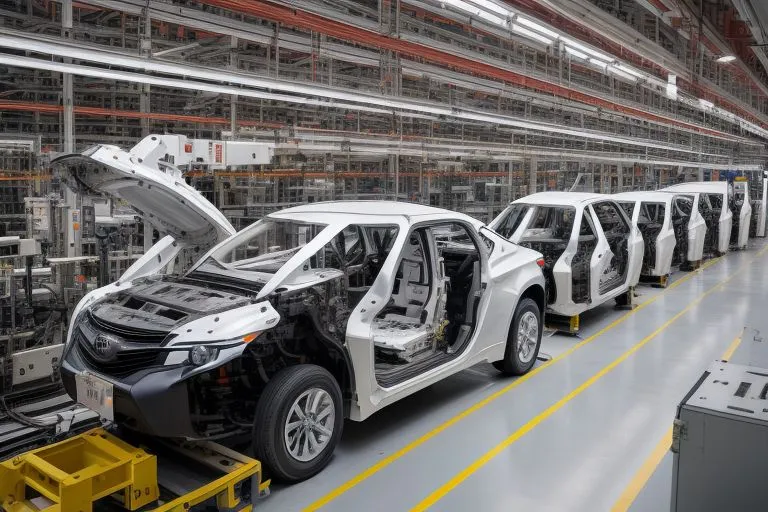
Where Are Toyota Tundras Made? Tundra Manufacturing Locations | Toyota Vin Decoder
Find out where Toyota Tundras are made. Learn about the Tundra's manufacturing plants, production history, and its American-made roots. Get your VIN report now!
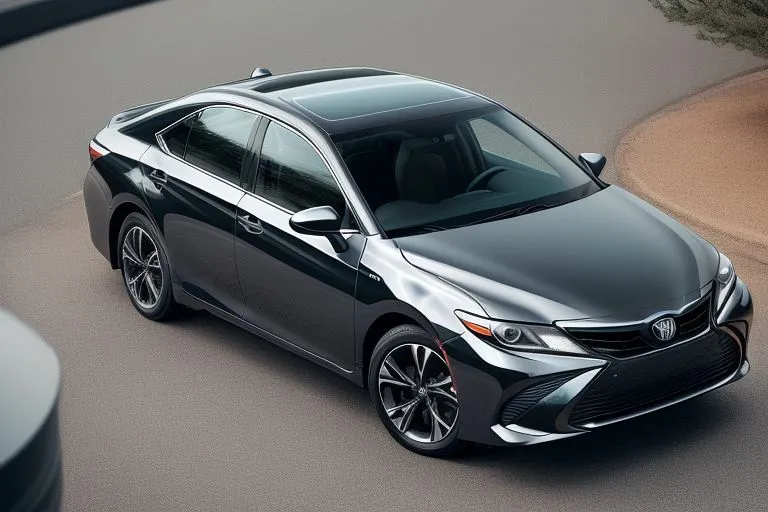
What Does LE Stand For Toyota? Trim Level Guide & VIN Decoder
Uncover the meaning of Toyota LE trim levels. Discover features, compare trims, and decode your VIN. Learn about SE, XLE, and more. Get the details here!
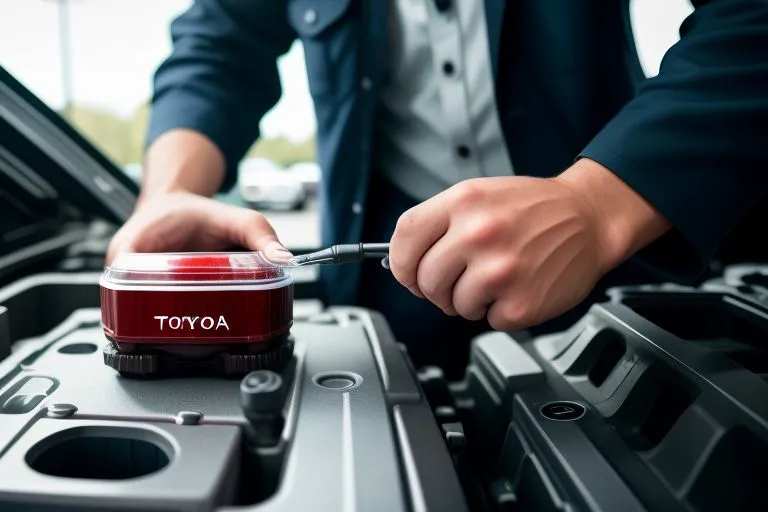
Toyota Transmission Fluid Change: Timing, Cost & Instructions
Need to change your Toyota transmission fluid? Find out how often, what it costs, and how to do it. Get the best advice and keep your Toyota running smoothly.

Grinding Noise When Accelerating: Causes & Solutions | Toyota VIN Decoder
Experiencing a grinding noise when accelerating? This guide explains common causes like wheel bearings, brakes, and more. Get expert advice and solutions for your car.
Bank 1 Sensor 2 Upstream or Downstream? Location & Function
Demystifying Bank 1 Sensor 2. Is it upstream or downstream? Find out the exact location, what it does, and how to troubleshoot problems. Get insights and resources for your Toyota at ToyotaVinDecoder.com.

Modded Toyota Camry: Customization, Mods, and Styling Guide
Discover the best modded Toyota Camry ideas! Learn about performance upgrades, styling, and customization. Find inspiration for your own Camry mods.